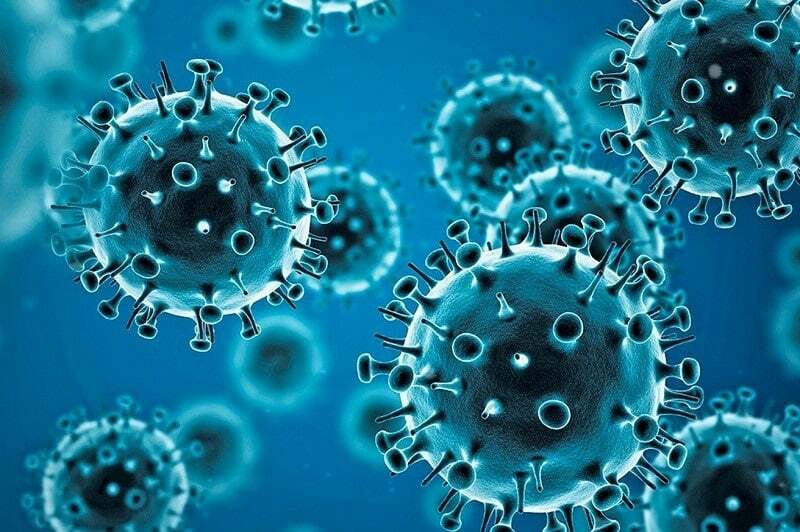
Epidemics of infectious diseases keep occurring and yet almost always surprise us. How have they been endured and why do they keep recurring? Not long ago experts were prophesying the end of the era of deadly communicable diseases. Plague, smallpox, typhus, typhoid, cholera, influenza, polio, malaria, measles, syphilis, diphtheria, tuberculosis and other infectious diseases, which from time immemorial killed or sickened millions, caused untold misery, and shaped history were being controlled or eliminated by powerful antibiotics, miraculous vaccines, and public health measures. This optimism collided with the resurgence of old and the emergence of new infectious diseases: AIDS, COVID-19, Lyme disease, antibiotic-resistant organisms, tuberculosis and many others. Now polio, measles, whooping cough and other vaccine preventable diseases are returning. Avian influenza threatens. Why do epidemics suddenly emerge, take us by surprise and disappear only to return again? This course will examine the evolving relationships among hosts (us, with our natural defenses and wits), microorganisms (them, with their clever genes) and the environment. We’ll look at literature to see how past generations experienced, endured, and understood the trauma of epidemics. Our understanding has led to spectacular advances in basic science, medicine, public health and even concepts of reality, but the intense trauma of epidemics remains unchanged.
Instructor Jonathan Gold is a retired physician. He has worked in a variety of roles in internal medicine, infectious diseases, medical microbiology, refugee medicine and geriatrics. He was an infectious diseases clinician and Director of the Special Microbiology Laboratory (clinical virology and serology laboratory) at Memorial Sloan-Kettering Cancer Center, Director of Medicine at Bronx-Lebanon Hospital, and Medical Director of a Program of All Inclusive Care of the Elderly (PACE), all in New York City. During the AIDS epidemic he was involved patient care and research into the cause and infectious complications of HIV. Jonathan lives in Newcastle, enjoys grandparenting and dabbles in things that interest him: gardening, bird watching, star gazing, mushrooms. French, photography, and speculations about the intersection between organisms, hosts, and the environment.